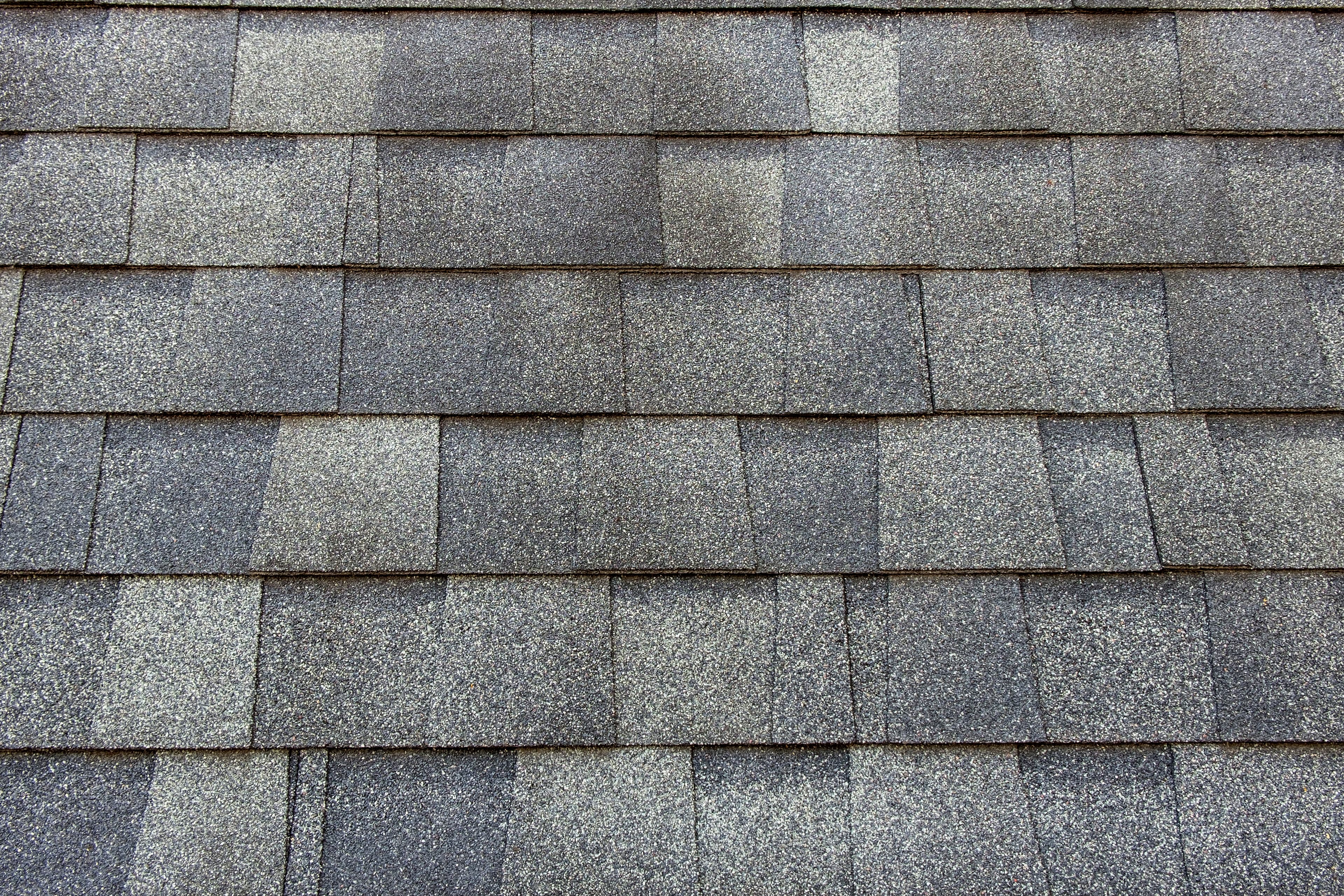
St. Louis homes don’t always tell you up front when their roofs are done. Some signs are obvious — water stains on the ceiling, missing shingles after a storm — but plenty of red flags are quieter, and catching them early is the difference between a measured replacement plan and an emergency. Below are the 10 signs we look for during free roof inspections across the metro, why they matter, and what each one usually means for your timeline and budget.
1. Your roof is past 20 years old
The single strongest signal that replacement is on the horizon: age.St. Louis asphalt roofs typically average 18–22 years of service life because of summer heat exposure, freeze-thaw cycles, and spring hail. If your roof is past 20, even one that looks OK from the curb is in active end-of-life territory — and if a major storm hits, you’ll likely move from “monitoring” to “replacing” the same day.
2. Granules are pooling in your gutters
Granule loss is your shingle’s aging clock. Asphalt shingles shed granules across their entire lifespan, but heavy loss accelerates near end-of-life. A handful of granules in the gutter is normal; a cup or more after a single rainstorm means the protective layer is wearing through, the underlying mat is more exposed to UV, and the roof is on a noticeably steeper decline.
3. Shingles are curling or buckling
Curl and cup mean the shingles are losing their flex and seal. Curling is when the edges lift; cupping is when the center rises. Either way, the shingles are no longer lying flat, no longer sealed against wind uplift, and no longer reliably waterproof in a hard rain. Localized curl can sometimes be addressed with focused repair; widespread curl across multiple slopes is a replacement signal.
4. Missing or torn shingles after recent storms
One missing shingle is a repair; multiple missing shingles across multiple slopes is a roof. St. Louis spring and summer wind events routinely lift shingles, and a roof in good condition loses few. A roof in declining condition loses many at once because the seal strip has weakened across the field.
5. You’ve had two or more leaks in the last 12 months
Recurring leaks across different parts of the roof signal systemic failure rather than localized damage. One leak in one spot is a repair conversation; two leaks in two spots within a year usually means the underlying sealing system (underlayment, flashing details, ridge venting) is breaking down. Patch repairs at that point often just chase the next leak.
6. Flashing around chimneys, vents, or skylights is failing
Flashing is the most common slow-leak source on St. Louis roofs.Around chimneys, vent pipes, skylights, and roof-to-wall transitions, the metal flashing pieces seal joints that the shingle field can’t handle alone. As flashing ages, sealants dry out and edges lift. Repairs are often possible if the rest of the roof has life left; on aged roofs, replacement is the cleaner answer.
7. Visible sag in the roof line
A roof that visibly dips between rafters is telling you about structural moisture damage. By the time the sag is visible from the ground, decking has likely been wet for years, framing may be compromised, and tear-off will reveal more work than the surface suggests. This is past replacement consideration into structural evaluation territory.
8. Heavy moss or algae growth, especially on north-facing slopes
Moss isn’t cosmetic — it traps moisture against the roof surface. St. Louis homes with mature canopy, particularly in Creve Coeur, Webster Groves, and Kirkwood, see moss growth on north-facing slopes. Light moss can be cleaned and treated; heavy moss on aging shingles indicates the surface has been holding moisture long enough to accelerate the decline.
9. Your energy bills have crept up year over year
A failing roof and inadequate ventilation can quietly add to your cooling load.When attic ventilation is wrong or underlayment has degraded, summer heat builds in the attic, your AC works harder, and your bills go up. It’s never the only factor, but in St. Louis summers with average attic temperatures over 130°F, the contribution can be meaningful.
10. Your neighbors are getting new roofs
Subdivisions installed at the same time tend to need replacement at the same time.If your house was built between 1995 and 2010 in a production-builder neighborhood (especially in O’Fallon, MO, Wentzville, Lake Saint Louis-area subdivisions), and you’re seeing dumpsters appear on neighbor driveways, you’re probably on the same timeline. That’s a good moment for a free inspection — even if you don’t replace today, you’ll have a baseline.
Ready to talk to a real St. Louis roofer?
Call (314) 834-6556 or request a callback below — no pressure.
What does roof replacement cost in St. Louis?
Below are 2026 St. Louis price ranges by material on a typical 2,000 sq ft single-family home. For a full breakdown of how each line item affects the total, see our St. Louis roofing cost guide.
| Material | Installed cost | Lifespan |
|---|---|---|
| Architectural asphalt | $9,000 – $15,000 | 20–28 yr |
| Designer / luxury asphalt | $14,000 – $21,000 | 25–35 yr |
| Standing-seam metal | $18,000 – $32,000 | 40–70 yr |
| Synthetic slate | $21,000 – $33,000 | 40–50 yr |
How to self-check your roof from the ground in 5 steps
You don’t need to climb anything. Most warning signs are visible from the ground or from inside the attic. Here’s a 5-step routine we recommend doing once a year and after any major storm.
Walk the perimeter
Stand back from the house and look at each slope. Note any visibly missing, lifted, or curled shingles.
Check the gutters
Look for granule pooling and any visible shingle pieces. Heavy granule loss is a strong end-of-life signal.
Look at flashings
From the ground, glance at chimney bases, vent stacks, and skylights. Lifted, rusted, or sealant-cracked flashing is a yellow flag.
Inspect the attic
Climb up if accessible and look for daylight, water staining, or sagging decking. Bring a flashlight and check the underside of the deck.
Photograph what you see
Before you call a contractor, take photos. They help us triage what kind of inspection or repair makes sense — and help on insurance claims later.
What to do if you’ve got 3 or more of these signs
If you’ve got three or more of the signs above, get a free on-roof inspection. We document everything with photos, give you a written report within 48 hours, and tell you straight whether you’re looking at repair, near-term replacement, or simply annual monitoring. The inspection is free, the report is yours, and there’s no obligation either way. Call (314) 834-6556 to schedule.