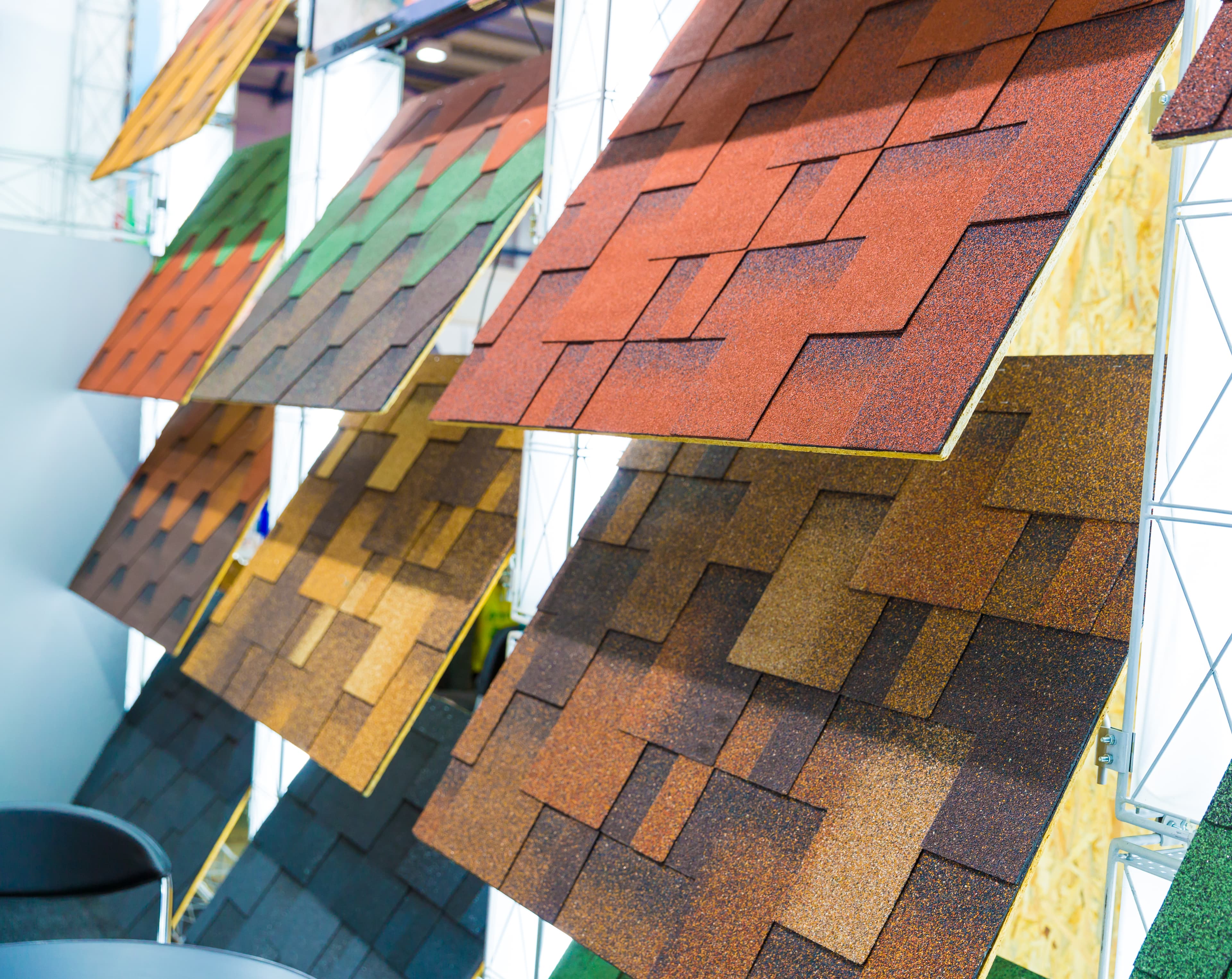
St. Louis weather is brutal on roofs. Summer heat regularly pushes attic temperatures past 130°F, freeze-thaw cycles work shingles loose every winter, and the spring hail corridor we sit in produces some of the most expensive insurance-claim seasons in the country. The right roofing material for your home depends on which of those forces you most need to protect against, your budget, the architectural fit with your home and neighborhood, and how long you plan to be in the house. Below we walk through the seven materials we install most often, what each one is best for, and where it falls short.
What St. Louis weather actually does to roofs
Three forces dominate roofing material decisions in St. Louis: hail, summer heat, and freeze-thaw cycling. Hail dents shingles and breaks the granule layer, accelerating UV degradation. Summer heat ages the asphalt binder. Winter ice and freeze-thaw lift seals and crack flashing. The materials that win in St. Louis are the ones that handle multiple of these well — not just one.
For storm-resilience guidance and impact ratings, see the IBHS FORTIFIED Roof program— according to IBHS (ibhs.org), which sets the standards we follow on hail-resilient retrofits.
1. Architectural asphalt — the workhorse
Architectural asphalt is the right answer for the majority of St. Louis homes. Sometimes called dimensional or laminate shingles, architectural asphalt offers 30–50 year manufacturer warranties, real wind ratings (110–130 mph on most lines), and hail-impact options that perform well in our spring storms. Cost runs $4.50–$7.50 per square foot installed — meaning $9,000–$15,000 on a typical 2,000 sq ft home.
We install architectural asphalt as the default recommendation on most St. Louis residential projects because the cost-per-year-of-service math wins more often than not. The exceptions are historic homes where the profile is wrong, premium homes where slate or designer asphalt is appropriate, and long-occupancy owners considering metal’s lifecycle math.
2. Designer / luxury asphalt — premium aesthetics, asphalt economics
Designer asphalt lines mimic the appearance of slate, shake, or historic shingle profiles at asphalt prices. Common picks: GAF Grand Sequoia, GAF Camelot, CertainTeed Grand Manor, Owens Corning Berkshire. Lifetime warranties (often non-prorated for the first decade), Class 4 impact-rated options, and visual fit with Victorian, Craftsman, and Tudor homes. $7.00–$10.50 per sq ft installed.
Common in Clayton, Kirkwood, Webster Groves, and historic neighborhoods where 3-tab asphalt looks visibly wrong on the home. Resale value supports the upgrade in those markets.
3. Standing-seam metal — the long-term winner
Standing-seam metal is the right call for owners planning to stay 20+ years. Lifespan of 40–70 years means one metal install replaces 2–3 asphalt replacements. Class 4 impact ratings are common, which means insurance premium discounts in St. Louis hail-prone zip codes (often 10–35% off the wind/hail portion of premium — verify with your specific carrier).
Cost runs $9–$16 per sq ft installed; meaning $18,000–$32,000 on a 2,000 sq ft home. The up-front number is 2–3× asphalt, but the lifecycle math often comes out lower over 40+ years. Energy reflection saves on summer cooling load too — typical 10–25% reduction depending on the home and color.
4. Corrugated metal — durability without the standing-seam premium
Corrugated steel offers metal’s longevity at a lower price point than standing-seam. Common on outbuildings, agricultural structures, and as a budget-conscious metal option for residential. 30–50 year lifespan, $6.50–$10.50 per sq ft installed. Aesthetically more industrial than standing-seam — fits better in rural and farmhouse contexts than in urban neighborhoods.
5. Synthetic slate — historic look, modern weight
Synthetic slate (DaVinci, Brava, Inspire) gives historic homes the right visual without natural slate’s weight or cost. 40–50 year lifespan, lifetime warranties common, Class 4 impact-rated. Looks like real slate from the curb on Tudor, Victorian, and Colonial Revival homes. $10.50–$16.50 per sq ft installed.
Common in Ladue, Clayton, parts of Kirkwood, and historic St. Charles. Often the right call when natural slate is structurally or budget-prohibitive but the home demands the appearance.
Ready to talk to a real St. Louis roofer?
Call (314) 834-6556 or request a callback below — no pressure.
6. Cedar shake — classic look, real maintenance
Cedar shake is era-appropriate for some Craftsman and Victorian homes — but it requires specific maintenance to last. 25–40 year lifespan, $9.50–$15.00 per sq ft installed. Heavy canopy (common in Creve Coeur, Kirkwood) accelerates moss and algae growth on cedar; proper roof-system ventilation is non-negotiable.
We install cedar shake when a homeowner specifically wants it and the home calls for it, with clear conversation up front about maintenance expectations. For most homeowners wanting the cedar look, designer asphalt or synthetic shake products give 90% of the appearance with 10% of the maintenance.
7. Natural slate — premium, multi-generational
Natural slate is the longest-lived roofing material we install — 75–100+ years on a properly installed system. $18+ per sq ft installed; often $36,000–$70,000+ on a typical home, more on larger Ladue or Chesterfield estates. Decking load matters: not every house can structurally accept slate without additional framing.
We install slate primarily on Ladue estates, premium Clayton properties, and contributing historic-district properties where synthetic slate isn’t historically appropriate. Lifecycle math wins decisively over 75 years; the up-front investment requires long-occupancy planning.
Material comparison at a glance
| Material | $/sq ft installed | Lifespan | Best fit |
|---|---|---|---|
| Architectural asphalt | $4.50 – $7.50 | 20–28 yr | Most St. Louis homes |
| Designer / luxury asphalt | $7.00 – $10.50 | 25–35 yr | Historic, Craftsman, Tudor |
| Standing-seam metal | $9 – $16 | 40–70 yr | Long-occupancy owners, hail discounts |
| Corrugated metal | $6.50 – $10.50 | 30–50 yr | Rural, farmhouse, outbuildings |
| Synthetic slate | $10.50 – $16.50 | 40–50 yr | Historic homes without slate budget |
| Cedar shake | $9.50 – $15 | 25–40 yr | Craftsman, era-appropriate Victorian |
| Natural slate | $18 – $35+ | 75–100+ yr | Estate-scale, multi-generational |
Which materials handle St. Louis hail best?
For hail performance specifically, the ranking is: standing-seam metal > synthetic slate > designer asphalt with Class 4 rating > standard architectural asphalt > cedar shake.Class 4 impact-rated systems are the highest commercially available rating; many St. Louis insurance carriers offer 10–35% premium discounts on the wind/hail portion of premium for Class 4 roofs. The discount often amortizes a meaningful portion of the upgrade cost over the roof’s lifetime.
Our default recommendations by home type
- 1990s–2010s subdivision home (O’Fallon, Wentzville, St. Charles west side): Architectural asphalt, Class 4 where the budget allows.
- 1900s–1930s Foursquare or Craftsman (Kirkwood, Webster Groves, U-City): Designer asphalt with a slate-mimicking profile — often the best balance of appropriateness and cost.
- Tudor or Victorian (Clayton, Ladue, St. Charles Frenchtown): Synthetic slate, real slate where budget allows, designer asphalt as a budget alternative.
- Mid-Century Modern (Clayton, parts of Creve Coeur): Standing-seam metal — fits the architectural language and outlasts asphalt 2–3×.
- Estate properties (Ladue, premium Chesterfield): Slate, copper accents, designer asphalt for sub-budgets — the materials should match the multi-decade ownership horizon.
Want a recommendation specific to your home and neighborhood? Call (314) 834-6556 for a free on-roof inspection. We bring sample boards to every estimate so you can see how each option looks on your specific home before you commit.